
Sourdough Discard 101
This post may contain affiliate links for products and ingredients I use and recommend. For more information, see my affiliate disclosures.
The term “sourdough discard” is a bit of a misnomer. Discard implies waste or trash, but sourdough discard is an incredibly versatile and useful ingredient that can reimagine how you cook or bake with your starter!
I use sourdough discard in a trove of sourdough discard recipes and keep a weekly stockpile of it in my refrigerator just for the purpose of baking with it. You can use it in savory or sweet applications.
This comprehensive guide on sourdough discard covers what sourdough discard is, how to store discard, how to bake with it, the differences between discard and levain, and other frequently asked questions about sourdough discard.
🙋♂️ Have sourdough discard questions? Leave a question or comment!
What is Sourdough Discard?
Each time you feed your sourdough starter, you must remove some of it.
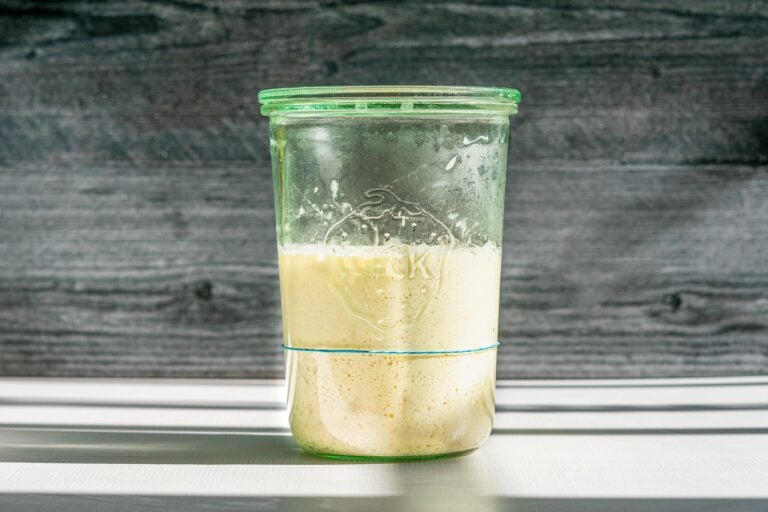
Why? Because a healthy sourdough starter will quickly outgrow its container and get too large! Soon enough, you’ll be overflowing with sourdough starter.
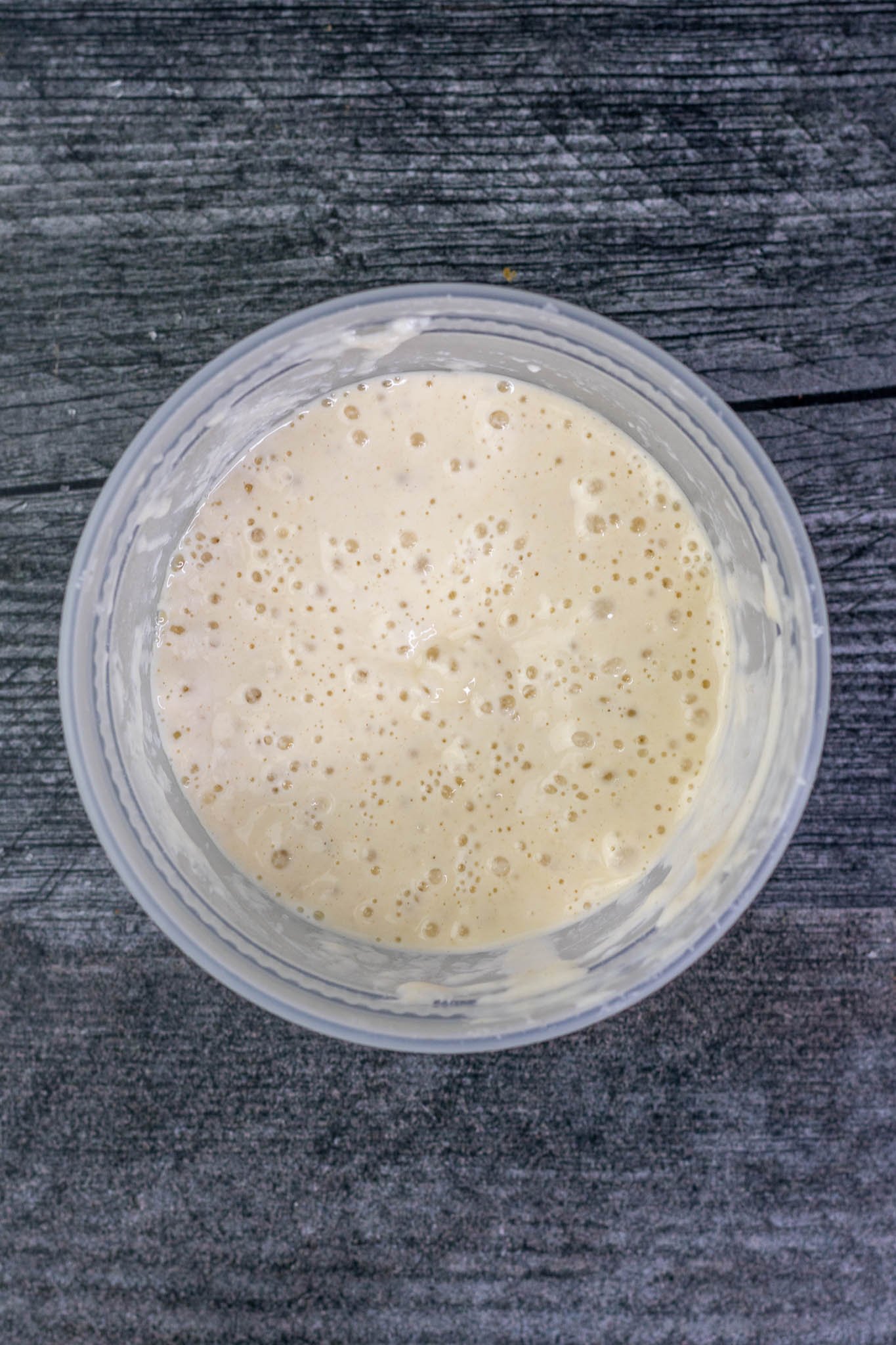
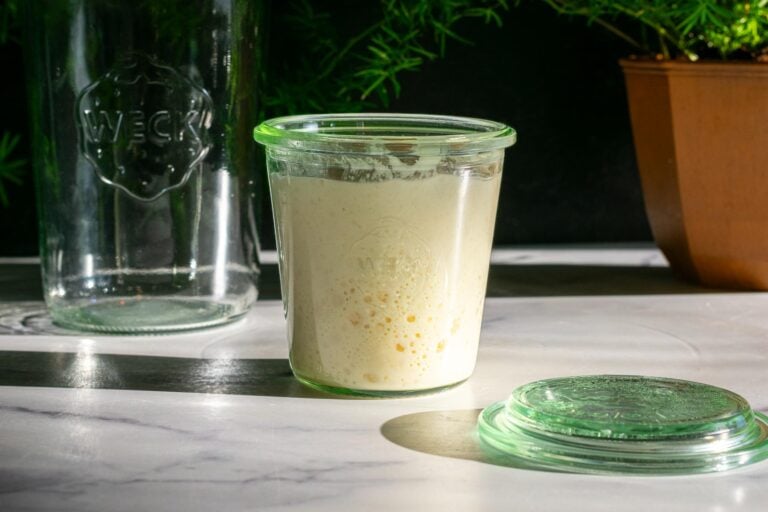
Sourdough discard is the portion of sourdough starter removed before refreshing or feeding your sourdough starter.
In other words, sourdough discard is an overripe sourdough starter often thrown away or tossed to control the starter’s size and acidity.
Some refer to sourdough discard as “sourdough surplus” because it doesn’t have to be wasted as the word “discard” implies.
What’s the Difference Between Sourdough Starter, Discard, and Levain?
The differences between sourdough starter, discard, and levain are subtle but important.
Sourdough starter is the mother culture. It is refreshed and fed regularly. The mother culture lasts indefinitely with routine care, and its main use is the leavening in a recipe.
Sourdough discard is an unfed, ripe portion of the mother culture. You remove the sourdough discard during feedings to maintain the size of your sourdough starter. Trash discard or store it to use as an acidic ingredient in unleavened recipes.
Finally, a levain (luh-VAHN) is an offshoot of the mother culture. Feed the levain separately from the sourdough starter and use 100% of it in a recipe.
I start most of my leavened recipes with a levain so I can feed my small starter on its same routine and build a separate larger culture for the recipe. Furthermore, you can feed the levain with other flours or ingredients without disrupting the balance of the mother culture.

How to Reduce Sourdough Discard
The amount of discard created from a starter varies. The quantity of discard depends on the size of the starter and how you regularly feed your starter. I always recommend a regular feeding schedule to keep your starter healthy and active.
A large starter will result in more sourdough discard. Likewise, a small sourdough starter will result in less discard.
I create and maintain a small sourdough starter, which reduces waste. This minimizes the amount of discard I throw away or keep on hand. A small starter requires less flour and water to feed it, thus resulting in less discard.
For example, I typically maintain my starter with 5 grams of starter, 30 grams of flour, and 30 grams of water. When the starter doubles in size, I discard all but 5 grams and repeat with the same refreshment of flour and water.
If you need more starter for a recipe, build it up by discarding less and feeding it more flour and water.
In short, to reduce sourdough discard, maintain a small sourdough starter.

How Do You Store Sourdough Discard?
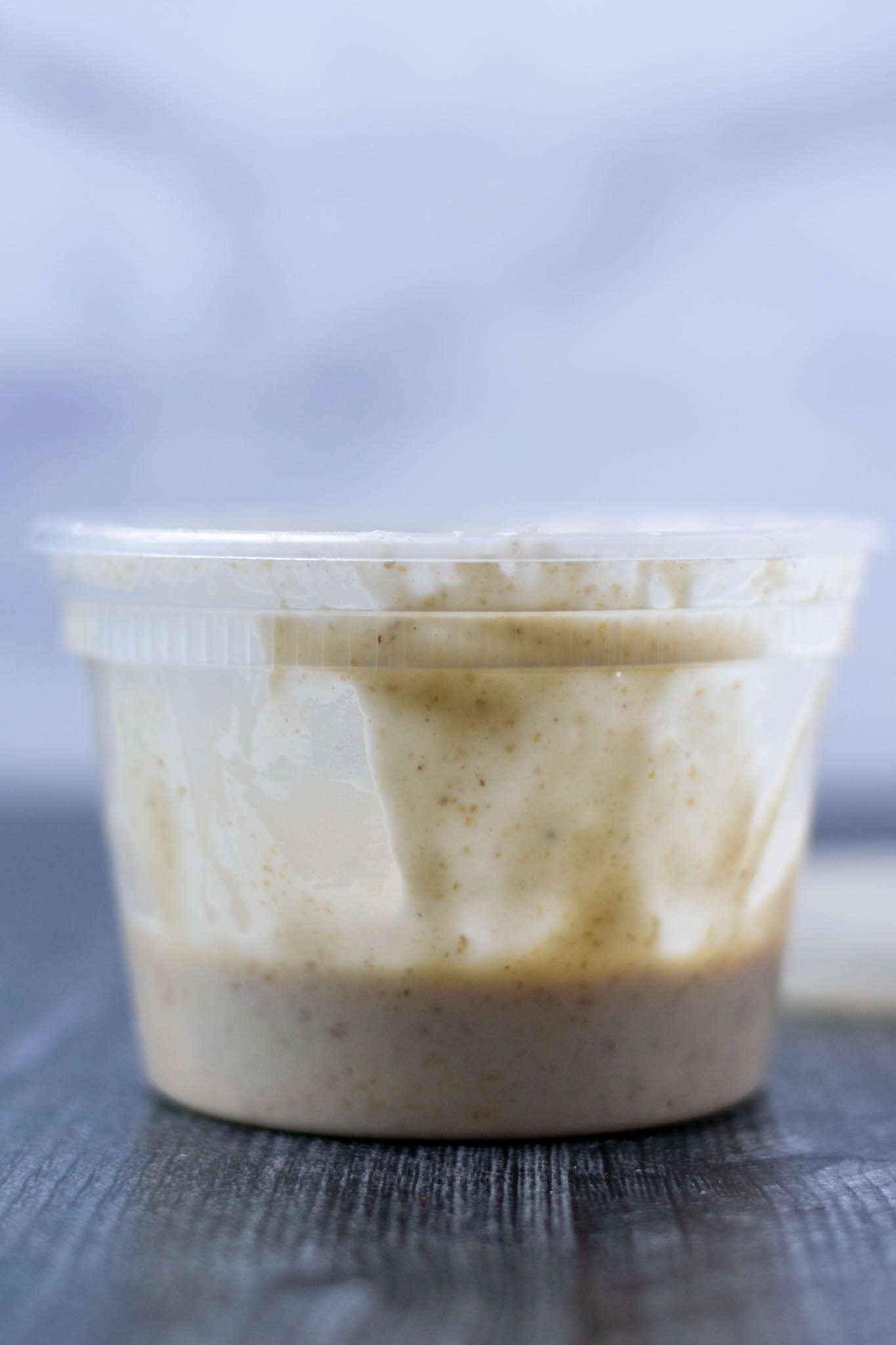
Store sourdough discard in the refrigerator in a sealed container, like a reusable deli container or a Mason jar.
Refrigeration slows down fermentation to a halt and the discard will not rise anymore. The discard has not been fed and thus will not continue to rise.
Additionally, you can store discard in the freezer in a freezer-safe container or ziplock bag. However, I generally don’t recommend freezing discard, unless you need a large amount of it to use for multiple recipes in the future.
I do not store discard at room temperature as it degrades quickly.
How Long Can You Store Sourdough Discard?
You can store sourdough discard in the refrigerator for up to two weeks. However, I recommend using it within the first week of storage.
Over time, the discard becomes extremely acidic and lends a very sour and unpleasant flavor to baked goods or recipes where applied.
It’s possible that a thin layer of brown or black liquid develops on top of the discard while it is stored. This layer of liquid is called “hooch” and is safe to stir into the starter or pour out. Hooch is simply a liquid byproduct (mostly alcohol) of fermentation and is completely normal.
While you can store sourdough discard for longer than two weeks, I toss it after that time to avoid the unpleasant sour flavor. If there is ever mold growing on your discard or it smells bad, throw it away immediately and do not consume.
What Can You Make with Sourdough Discard?
I have many sourdough discard recipes and use discard in a plethora of savory and sweet applications like cakes, cookies, and muffins.
Since discard does not have the leavening power of sourdough starter, I typically use it in conjunction with other mechanical leavening agents like baking soda and baking powder.
Some of my favorite sourdough discard recipes include:


What Does Sourdough Discard Taste Like?
In baked goods, sourdough discard is similar to using buttermilk, sour cream, kefir, or yogurt in a recipe. For example, in my Sourdough Biscuits with Cheddar and Chives, Flaky Sourdough Biscuits, or Sourdough Irish Soda Bread recipes, the discard is used in tandem with buttermilk for tanginess.
Depending on how fresh the discard is, sourdough discard tastes acidic, sour, and tangy. If recent, it may have a yeasty taste or smell to it and still be bubbly.
On the other hand, the older the sourdough discard is, the more acidic it becomes.
Old sourdough discard is runny, slimy, and may smell like alcohol due to the fermentation byproducts and the starter being hungry.
Hence, why I recommend using discard in a week so the flavor doesn’t affect recipes.
At 100% hydration, sourdough discard is 50/50 water and flour. Subtract the percentage of hydration and flour from a recipe if modifying a recipe to add discard.

Can You Make Bread with Sourdough Discard?
Technically, yes, but with some caveats.
It’s always best to use your sourdough starter at its peak for the best leavening performance. This is when the starter is at its peak or within a few hours after. Slowly, the performance degrades as the starter ferments longer and runs out of food.
However, sometimes you may forget to feed your starter, not have enough, or remember you have some discard that’s about to expire in the refrigerator.
If the discard is less than two days old and refrigerated, you can likely use it instead of sourdough starter in a recipe. The leavening might take longer, and the loaf may taste sour.
For older discard, build a levain (an offshoot of your starter), and use the entire levain in the recipe in place of the starter. That will give you a sense of the leavening power of the discard without compromising your bread. Essentially, build another starter using the discard so you can gauge its capabilities.
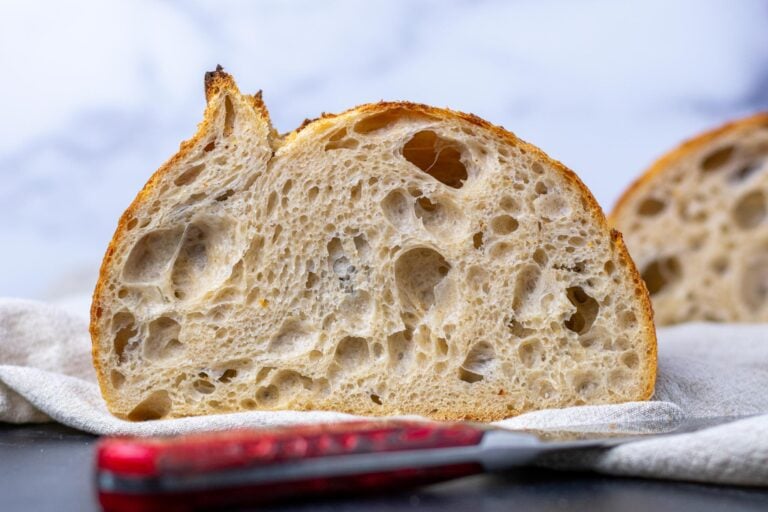
I find sourdough discard is more forgiving in loaf bread recipes like Sourdough Sandwich Bread than an artisan-style country loaf like My Everyday Sourdough Bread Recipe.
Can You Feed Discard to Make a Starter?
Generally, yes. Sourdough discard is a hungry sourdough starter that hasn’t been refreshed.
You can build a new sourdough starter using sourdough discard and feeding it as you typically would for a few days. Once functioning and consistently rising and falling, you can use it in recipes as a new sourdough starter.
However, if the new starter fails to rise or double in size after a few days, it likely is not strong enough to leaven bread.
Can You Compost Sourdough Discard?
Yes, you can compost sourdough discard or sourdough starter!
Do not pour sourdough starter or discard it down the drain, as it can clog your pipes when it dries.
Chickens will also gladly consume discard as a probiotic snack. Dry it first and feed it like a grain.

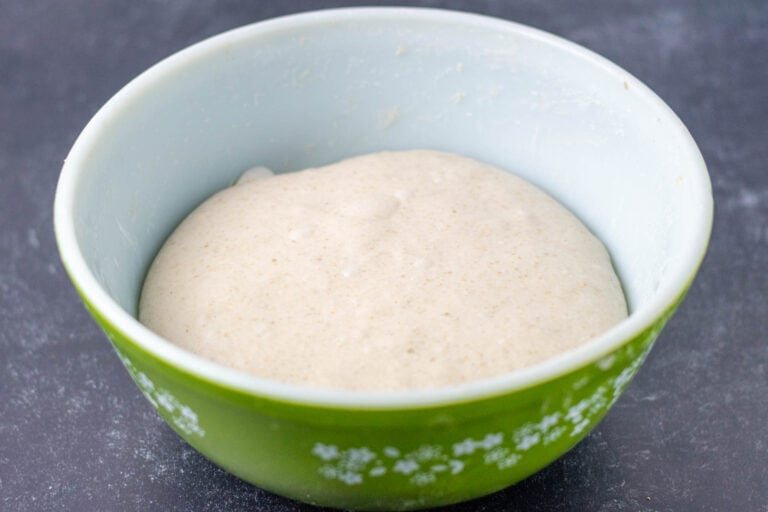



Why is my discard so thick? It hardly just pours out like I’ve seen in videos. It is also very stretchy and elastic. The other day I tried to make discard crackers and the discard wouldn’t even incorporate the melted butter. What is going on? Should I be adding water to it?
How old is your starter? You should only save the discard from an established starter, not a brand new one that isn’t strong enough yet. If you have an active starter, the discard will break down the gluten over time and because quite runny. It shouldn’t be elastic. If it’s thick, it may be due to the type of flour you’re using (whole wheats/rye tend to make it thicker) and you’ll want to make sure you’re weighing all of your starter ingredients by weight. Adding a bit more water if it’s remaining that thick will probably help!
hi! i’m completely new to this. in regards to the discard, when you make your starter, can you start saving the discard on day 1 and then refrigerate? or do you need to wait a few days for the starter to do its thing and then start saving the discard? so, when is the appropriate time to start saving discard? i’m also assuming you just add the new discard to the jar everyday in the fridge with no issues? do you stop saving the discard when the jar is full and then throw the rest away while your still feeding your starter? thank you!!
Hi Sarah, when you’re making a starter from scratch, you can’t save the discard. You have to actually discard it. That’s because natural selection is occurring and the starter isn’t a symbiotic culture yet. Thus, there are some nasty bacterias in there that you don’t want to consume. Once your starter is active and you can start baking with it, that’s when you can start saving the discard!
You can save discard in the refrigerator for up to a couple of weeks and add on to it in the refrigerator to save enough for discard recipes. If I know it’s old, I will toss it, but I usually end up using it all in recipes!
Hi there! Thank you for this helpful blog. I got starter from a friend. I followed his directions and fed it 1/4 cup flour and 1/4 cup water. I’ve many quite a few loafs of bread. And pancakes!
What I don’t know is how to find what my starter is vs the discard. I never measured where the starter had begun at. How do I know what is the starter vs discard if I’ve never measured how much starter I had to begin with?
Thanks.
Hi Brooke, the discard is any portion that you remove from your main starter, leave it unfed, and save for discard recipes. Some people don’t have any discard if they’re using it to bake with all the time. The main difference though, is that your starter is fed flour and water and the discard is removed to control the size of your starter and isn’t fed.
Hello, I am totally new to making a sourdough stater. Please provide recipe and instructions on how to make the sourdough starter.
Hi Angia, you can view how to make a sourdough starter here.
How long can I keep collecting discard before using it. I have made a couple of things with it but I have a lot in my jar. It seems kinda thin and a bit grey and some watery stuff on top. Should I throw it out? I always keep it in the fridge..
Thanks for you help. I am a newbie at this whole sourdough thing but I love it when I eat it!
Awaiting your advice,
Nina Meister
Hi Nina, I keep sourdough discard for a couple of weeks maximum in the refrigerator. It will become very acidic and slimy over time (and grey and watery like you mentioned) and it may lend a bad flavor to baked goods at that point. I throw it out after a couple of weeks if I haven’t used it. Let me know if you ever have more questions and welcome to the sourdough community!
Hi, so do we start all over making new starter after a couple of weeks? This is soooo confusing.
Thank you, Mary Jo
Hi Mary Jo, no. The sourdough discard is just unfed sourdough starter in your refrigerator that you would typically throw away or compost when you feed your sourdough starter (the mother culture). Your main sourdough starter is being regularly fed so it stays healthy and the discard is part of the sourdough starter that you’re removing to help maintain its size so you don’t have a giant sourdough starter. The discard only lasts a couple of weeks in the fridge but if you’re feeding your sourdough starter regularly, it can last forever that way!