
Maple Oat Sourdough Sandwich Bread
This post may contain affiliate links for products and ingredients I use and recommend. For more information, see my affiliate disclosures.
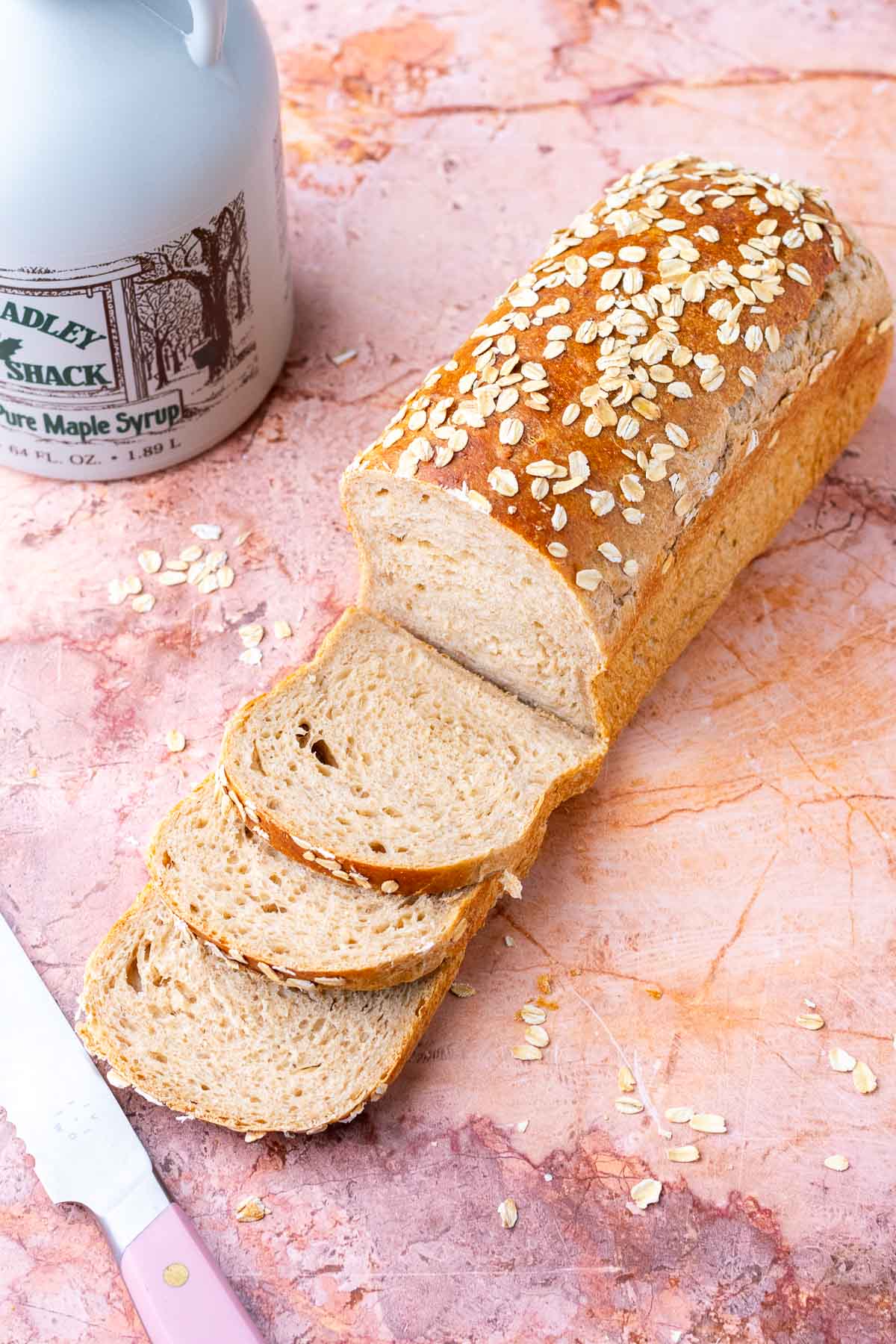
This soft and hearty Maple Oat Sourdough Sandwich Bread has a subtle sweetness, tender crumb, and wholesome flavor using real maple syrup, rolled oats, and whole wheat flour.
The delicious maple oat sourdough bread loaf stays moist for days with an oatmeal porridge. Cooking the oats before mixing them into the dough fully hydrates them, so they melt right into the bread instead of stealing moisture.
The result is a sandwich loaf that’s incredibly soft, sliceable, and sturdy enough for everything from morning toast to stacked lunches.
Toast it, and you’ll get those lightly caramelized maple notes; leave it fresh, and you’ll notice just how plush and balanced it is. If you’re looking for a sourdough loaf that’s approachable, versatile, and just a bit cozy, this one earns a regular spot in the rotation.
👉 View other favorite sourdough sandwich bread recipes, including my classic Sourdough Sandwich Bread, this hearty Seeded Whole Wheat Sourdough Sandwich Bread, and this Soft Sourdough Rye Sandwich Bread.
👍 Why You’ll Love This Recipe
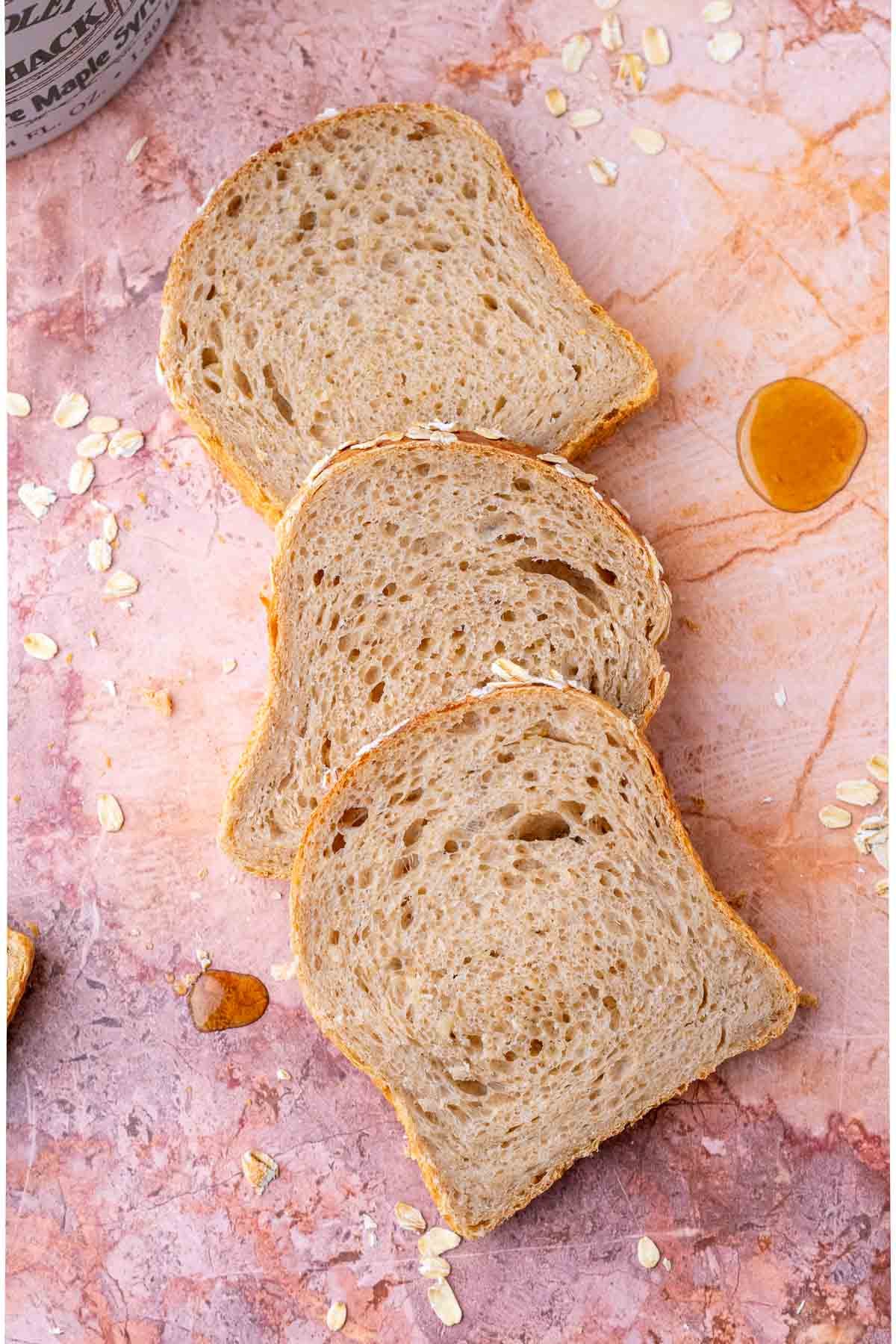
- Soft, tender crumb thanks to the oatmeal porridge. I use a similar technique with cornmeal in my Sourdough Anadama Bread.
- Subtle maple sweetness without being overly sweet.
- Stays fresh and moist for days.
- Perfect for both toast and sandwiches. Plus, it freezes extremely well.
- Hearty texture from oats and whole wheat flour without feeling dense.
- Slices cleanly—great for everyday use.
👨🍳 Pro Baking Tips
- Fully cook the oatmeal porridge and let it cool completely before mixing so it doesn’t kill the sourdough yeast.
- Weigh your ingredients, especially the porridge and flour.
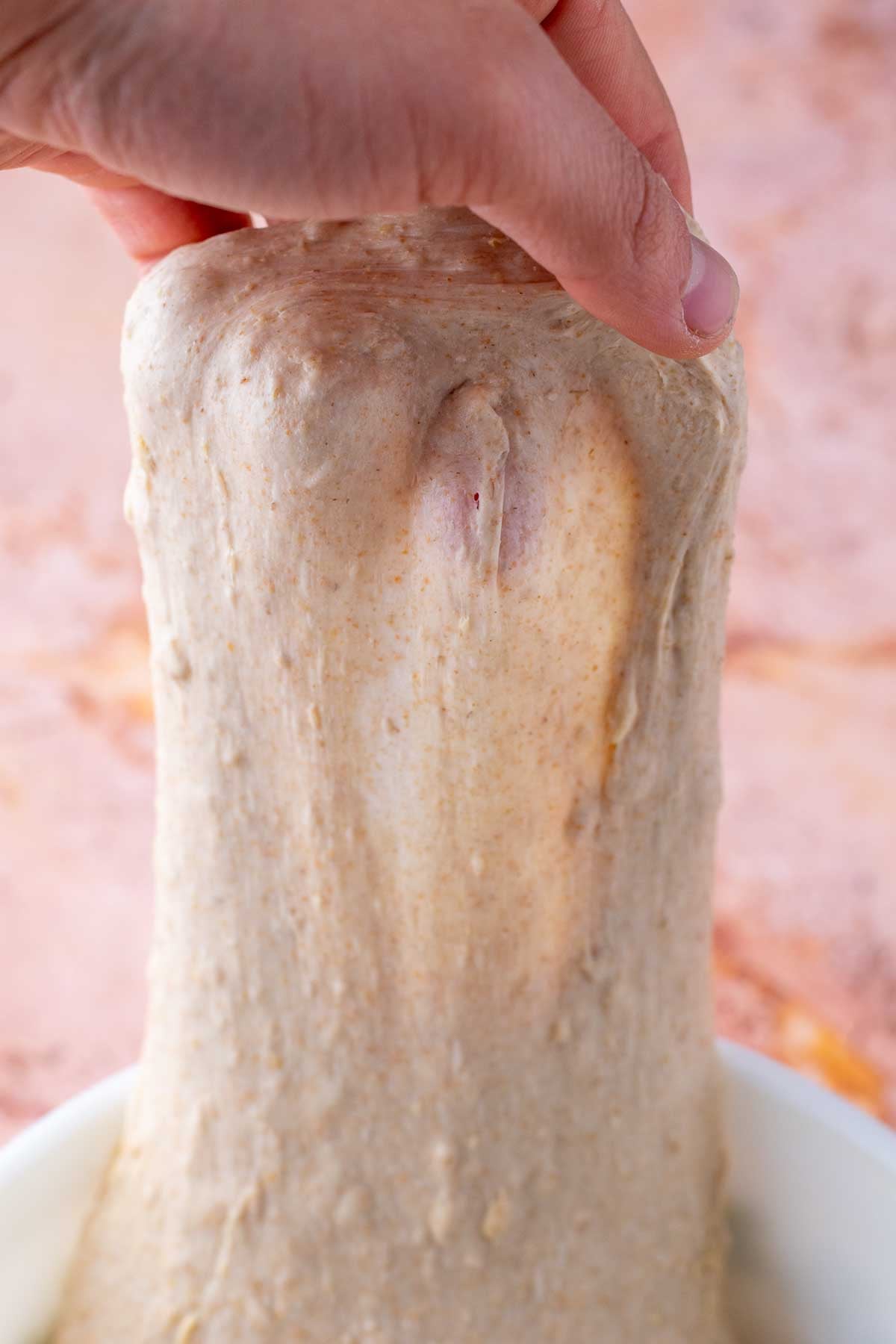
- Mix the dough until it passes the windowpane test. The porridge softens structure, so gluten needs a head start.
- Shape tightly to build structure and help the loaf rise well and slice cleanly.
- Brush the top with egg white for soft, lightly glossy crust (not too dark) and to help adhere the oats.
- Bake fully—aim for a deep golden top and an internal temp around 200–205°F to avoid a gummy center.
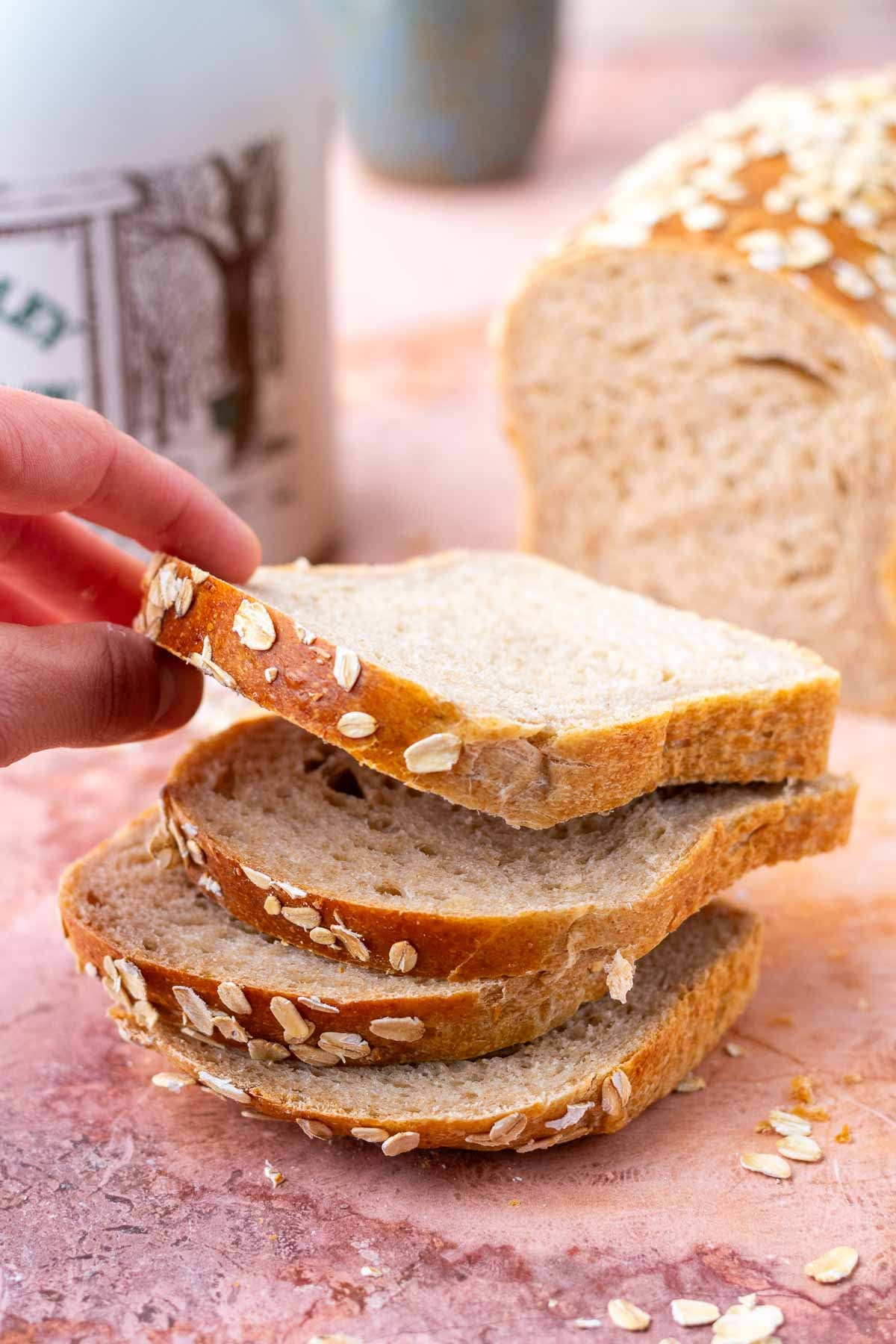
- Let it cool completely before slicing; the crumb sets as it cools, especially with the added moisture from oats.
🛠 Tools Needed
- Baking Scale
- Measuring your ingredients by weight rather than volume is essential for a more consistent, accurate bake.
- Stand Mixer with dough hook attachment
- A stand mixer helps bring this sticky wet dough together better. This will help the dough build gluten more easily and quickly than by hand.
- I don’t recommend hand mixing this dough.
- Rolling Pin, for shaping the dough.
- Bread Loaf Pan
- You can use a standard loaf pan for this recipe, but I love the 9×4 Small USA Pullman Pan for taller sides.
- Pastry Brush, for egg wash
- Optional: Brød and Taylor Folding Bread Proofer
- This folding proofing box by Brød & Taylor is a game-changer to keep your sourdough starter and doughs at the perfect temperature while proofing.
- The proofer folds up easily, includes a humidity tray, is multifunctional, and can even be a slow cooker.
🛒 Ingredients Needed
See below for more information, variations, and possible substitutes. This recipe only uses simple pantry and refrigerator staples.
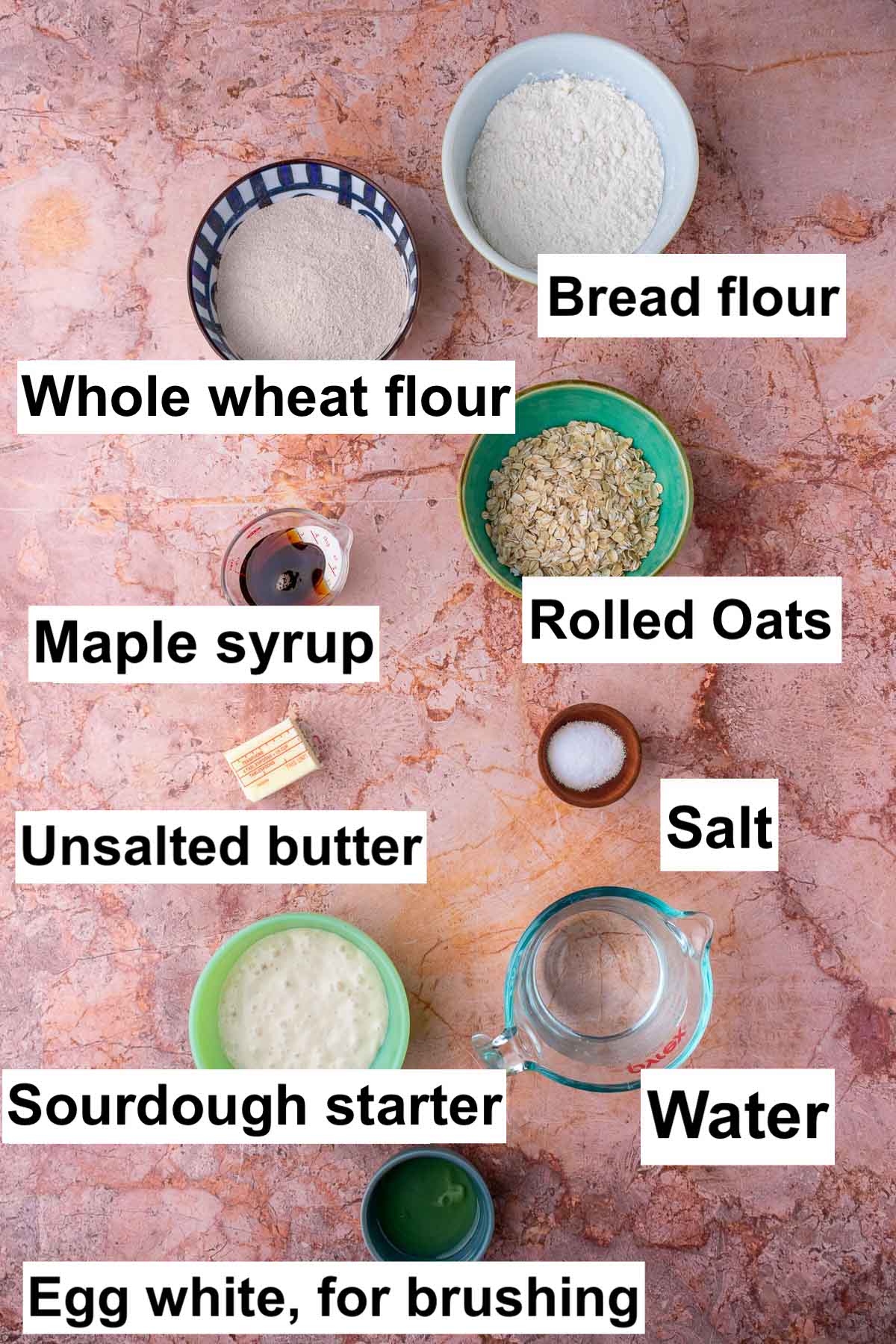
- Bread Flour
- I use King Arthur Bread Flour at 12.7% protein, which gives the dough a fluffy, chewy texture that rises tall.
- You can substitute with all-purpose flour.
- Whole Wheat Flour
- Like My Everyday Sourdough Bread Recipe, this loaf uses whole wheat flour for more nutrition and flavor. However, it’s not dense. See more sourdough whole wheat recipes.
- Old-fashioned Rolled Oats
- Use rolled oats for the sweet spot for texture and chewiness.
- Quick oats can be substituted, but they break down more readily, resulting in a denser loaf.
- The oats add a chewy, hearty texture like in my Sourdough Oatmeal Cream Pies and Brown Butter Sourdough Oatmeal Raisin Cookies.
- Salt
- Boiling Water, for making the oatmeal porridge.
- Maple Syrup
- The loaf is only sweetened with real maple syrup, which balances well with oats and whole wheat.
- Substitute with dark brown sugar or molasses.
- Sourdough Starter
- Use an active sourdough starter, not sourdough discard, for the leavener in sandwich breads.
- Don’t have a sourdough starter? Learn How to Make a Sourdough Starter and make a stronger sourdough starter with my top sourdough starter tips and why I maintain a small sourdough starter.
- Unsalted butter, room temperature
- The softened butter adds a hint of richness and lubricates the dough so it’s supple and softer.
- Substitute the butter with olive oil or coconut oil for a vegan maple oat sourdough sandwich bread.
- Egg White, for brushing the top and adhering the oats
- Swap out the egg white with milk, plant-based milk, or maple syrup thinned with water.
👨🍳 How to Make Maple Oat Sourdough Sandwich Bread
Follow this visual step-by-step guide to help make the best maple oat sourdough sandwich bread.
1. Make the Oatmeal Porridge
Stir oats, maple syrup, and boiling water in a heat-proof bowl or small saucepan as if you’re making oatmeal.
Let cool to room temperature or just warm before mixing into your dough.
Note: It’s important to let the oatmeal cool to at least 100ºF before mixing into your dough so it doesn’t kill or cook the sourdough yeasts. It also gives the oats time to hydrate fully and thicken.

2. Mix the Dough
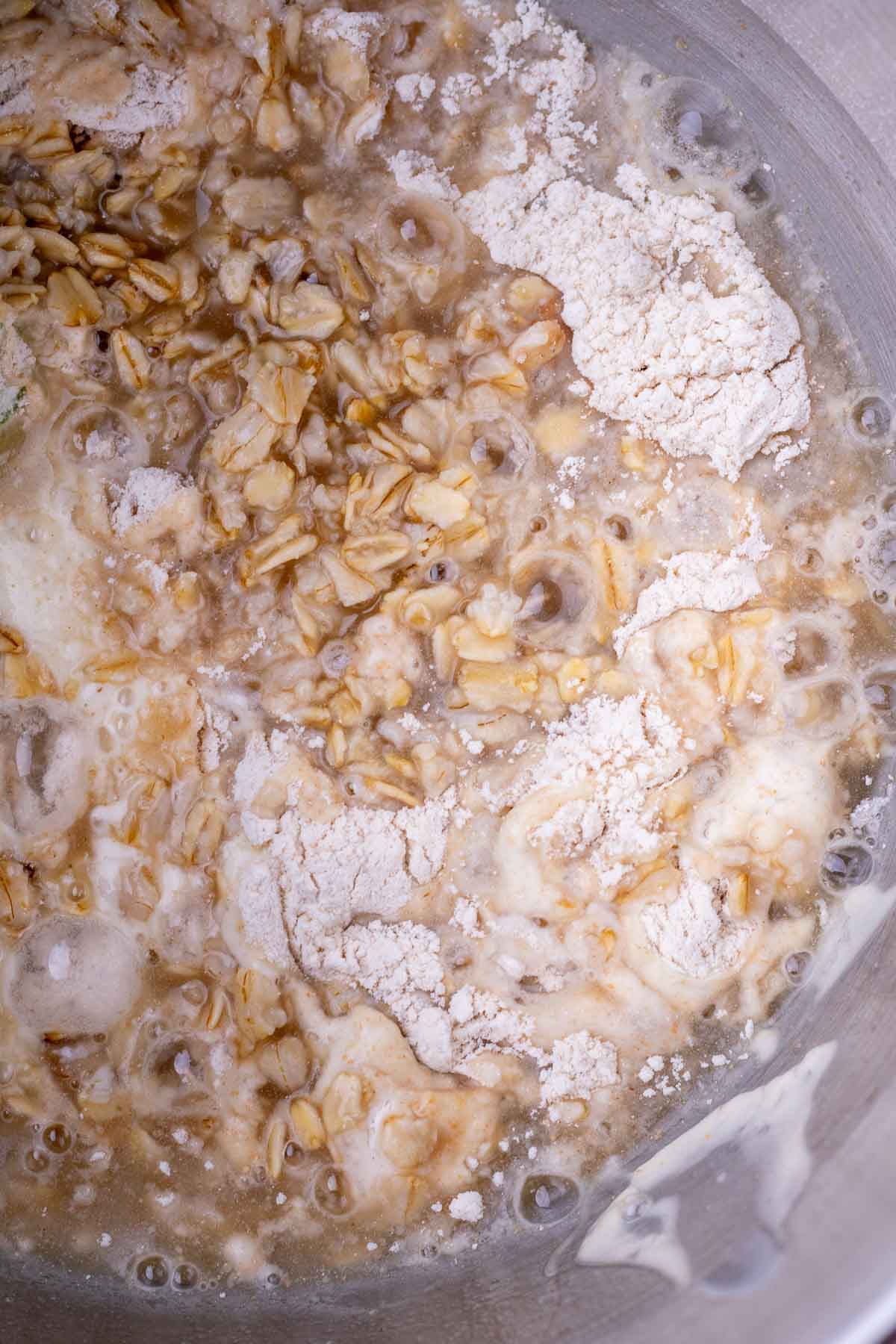
Once the oatmeal has cooled, add it to a stand mixer bowl fitted with the dough hook attachment along with the dry ingredients and active sourdough starter.
Mix on low speed until the dough starts to come together. Then, add small cubes of softened butter at a time while mixing.
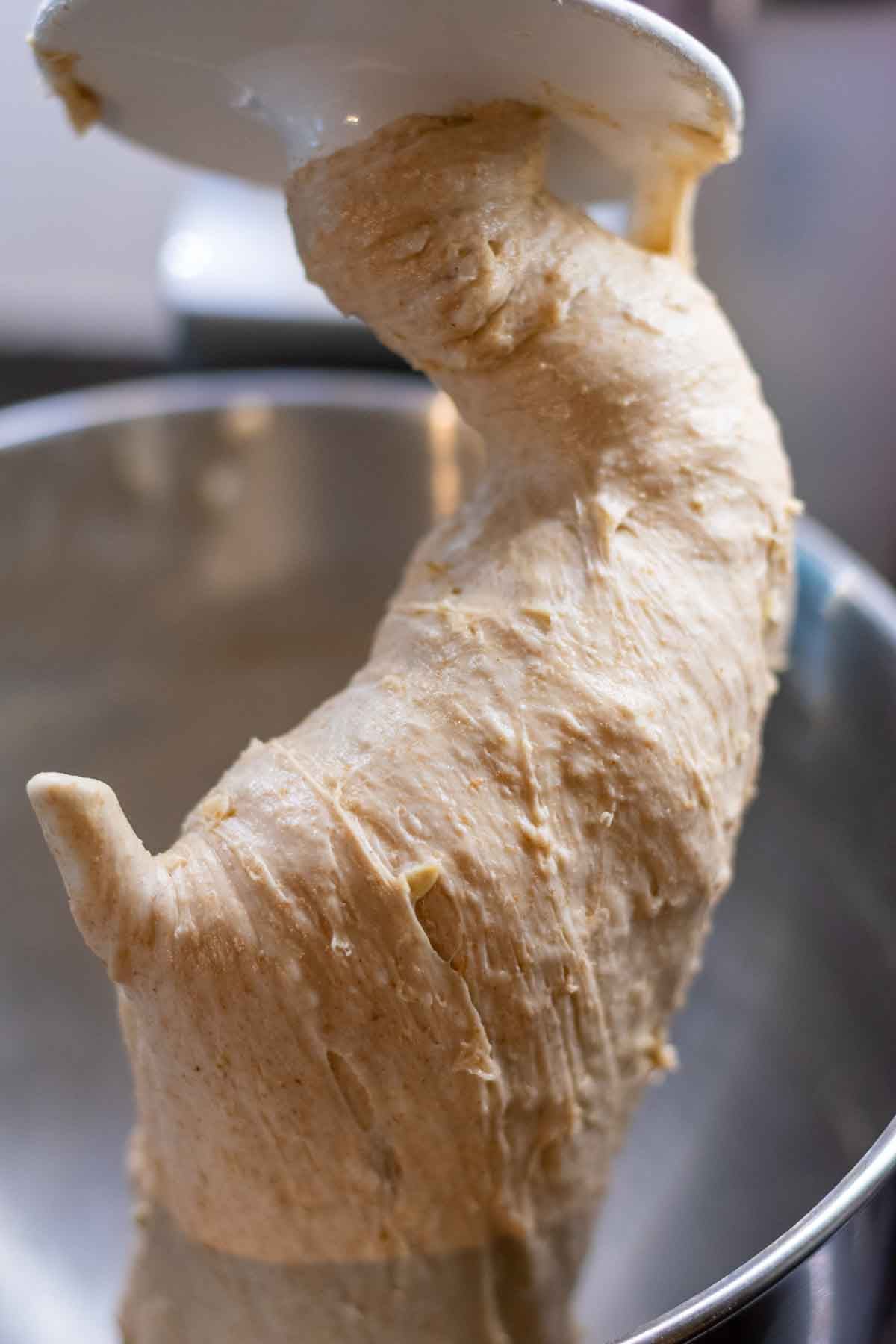
This sticky dough needs about 15 minutes of mixing. At first, it will be very sticky and tear easily. As it mixes, the gluten strands will develop and the dough will become stronger.
Mix the dough until it no longer sticks to the sides of the bowl and can pass the windowpane test. Add a tablespoon of flour at a time if it’s still not coming together.
3. Bulk Fermentation
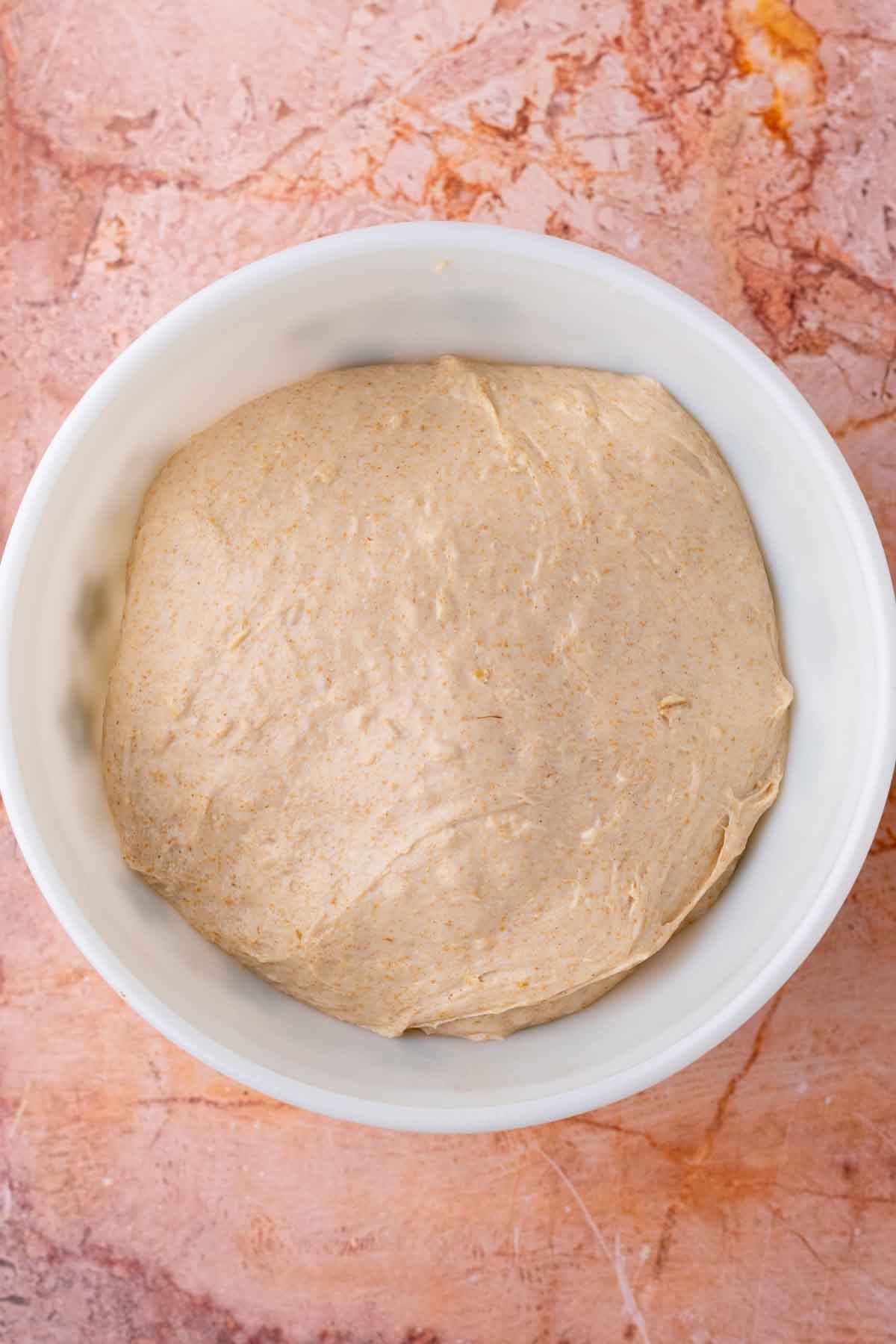
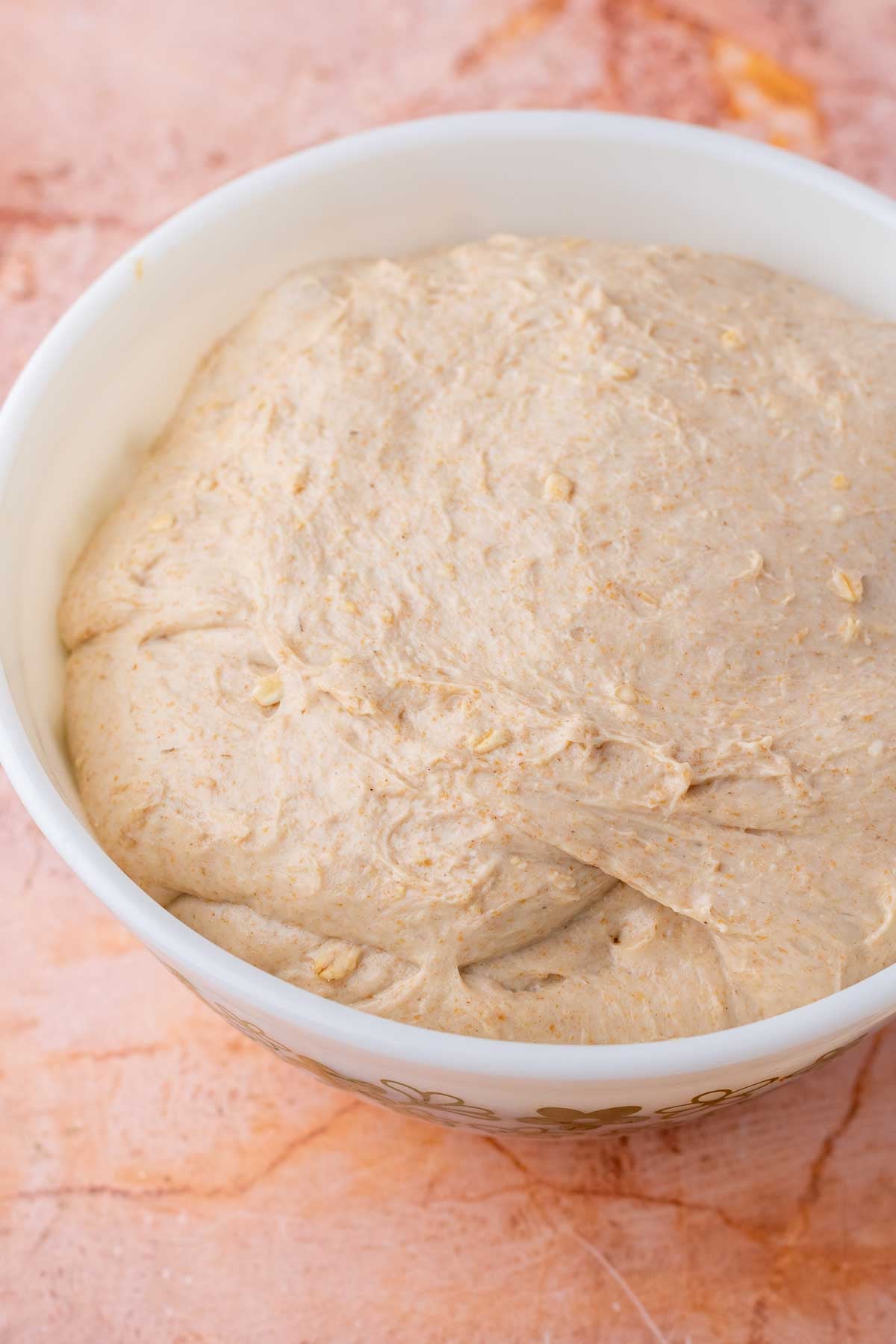
Transfer the dough to a greased mixing bowl and cover it for bulk fermentation, which will take approximately 5-6 hours at 78°F. I’ve found this dough to be a bit sluggish, so be sure to give it enough time to rise.
If your dough and environment are colder, bulk fermentation will take longer. Conversely, in warmer conditions, the dough will ferment faster.
Bulk fermentation is complete when this dough has doubled in size, is smoother, and domes in your bowl.
Tip: The Brød and Taylor folding bread proofer is extremely helpful for creating a consistent environment that’s ideal for proofing breads. I keep mine at 78ºF.
4. Overnight Proof
Transfer the dough to the refrigerator for a cold, overnight proof and up to 48 hours.
The dough will continue to ferment slowly in the refrigerator, which helps develop flavor and allows you to bake on your own schedule. The cold dough is also easier to shape.
If you’re limited on time, you can skip the overnight proof.
5. Shape
Lightly butter or grease a bread loaf pan.
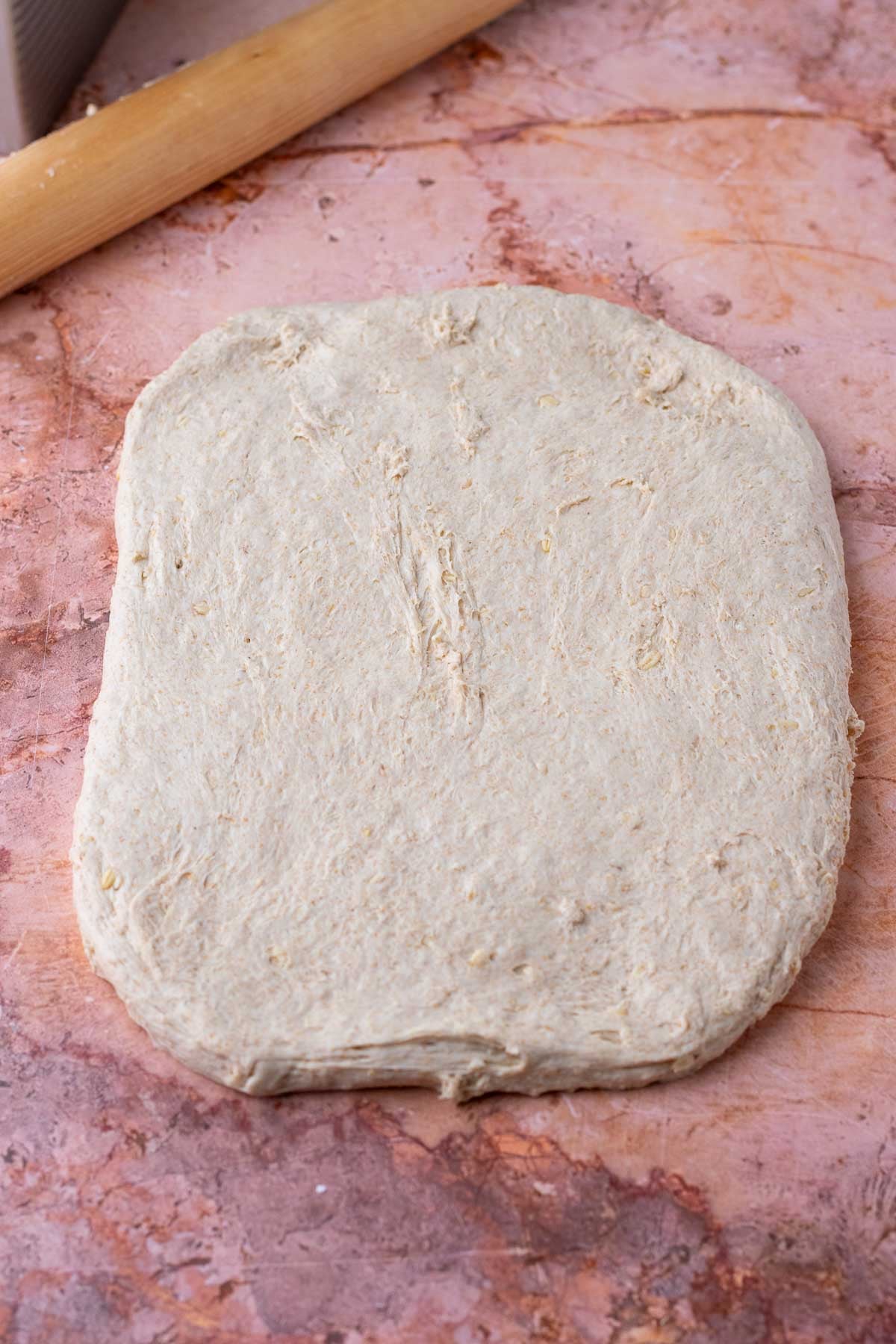
Punch down the cold dough with your fist and scrape it onto a lightly floured work surface.
Use a lightly floured rolling pin to roll the dough out into a rough rectangule, about 8-9 inches wide and 13 inches long.
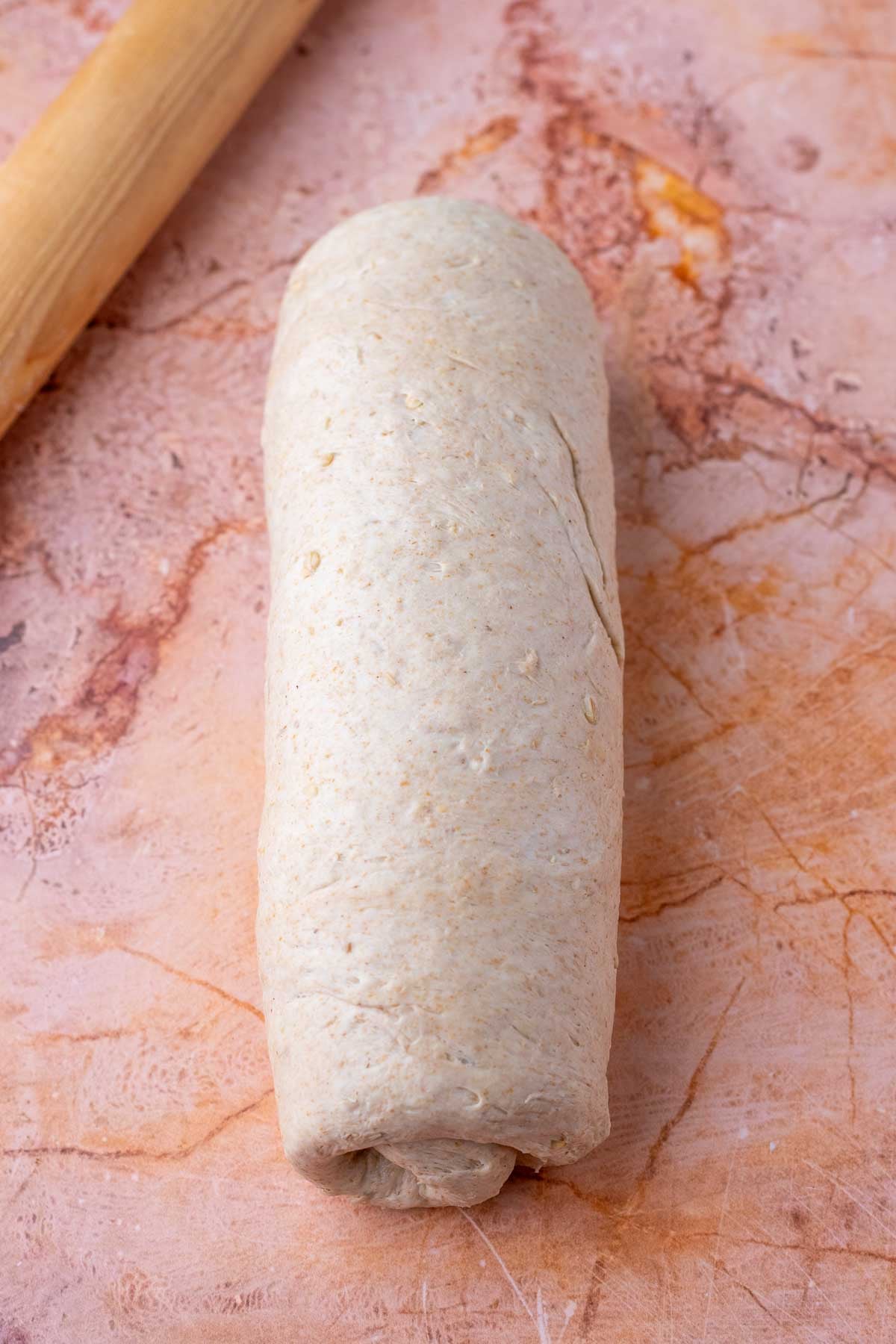
Gently roll the dough up from one of the shorter sides into a taut log. This is similar to shaping sourdough cinnamon rolls.
6. Final Proof
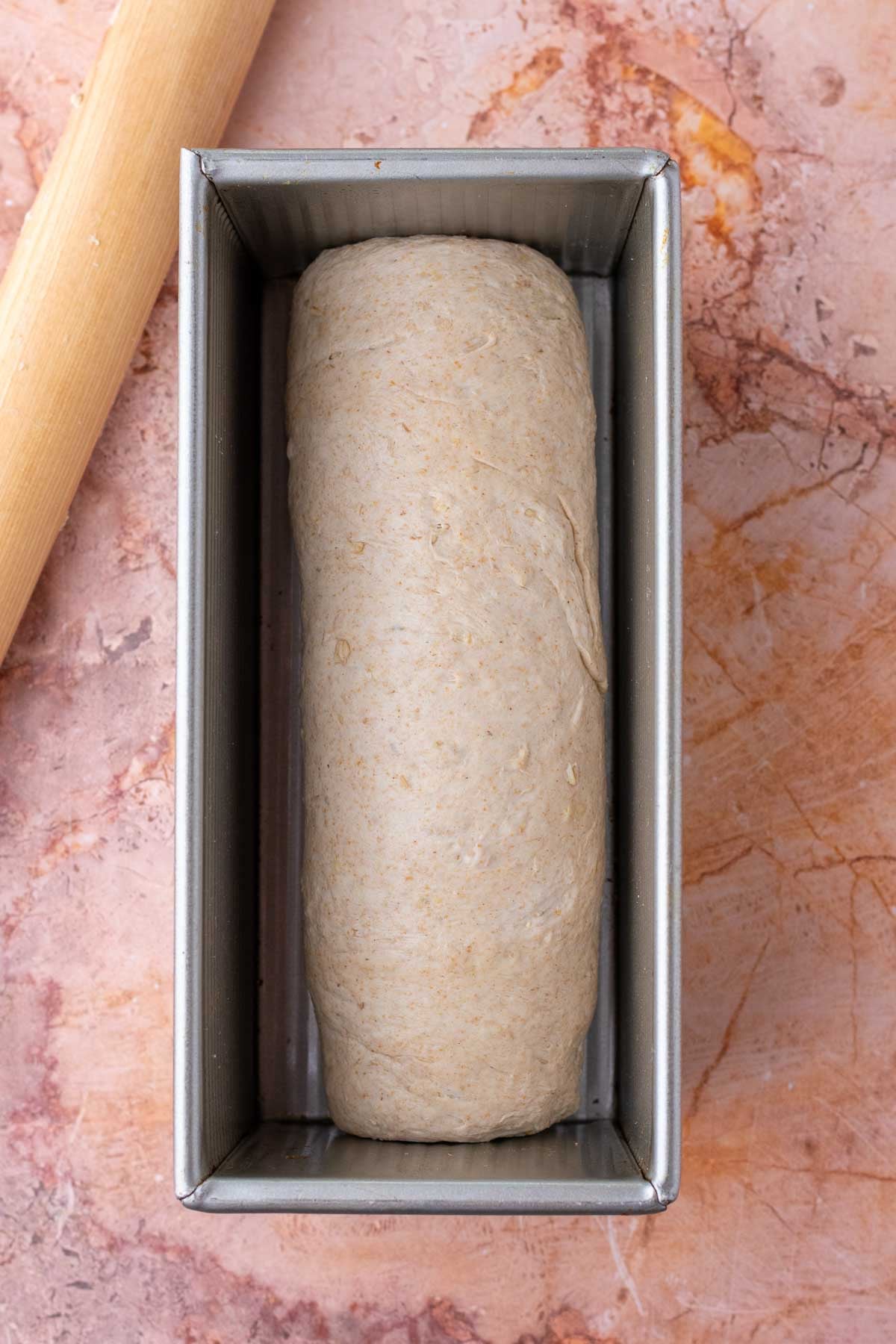
Place the shaped dough into the bread loaf pan.
Cover with a lid or plastic wrap for the final proof.
At 78ºF, the final proof typically takes about 4 to 4 ½ hours.
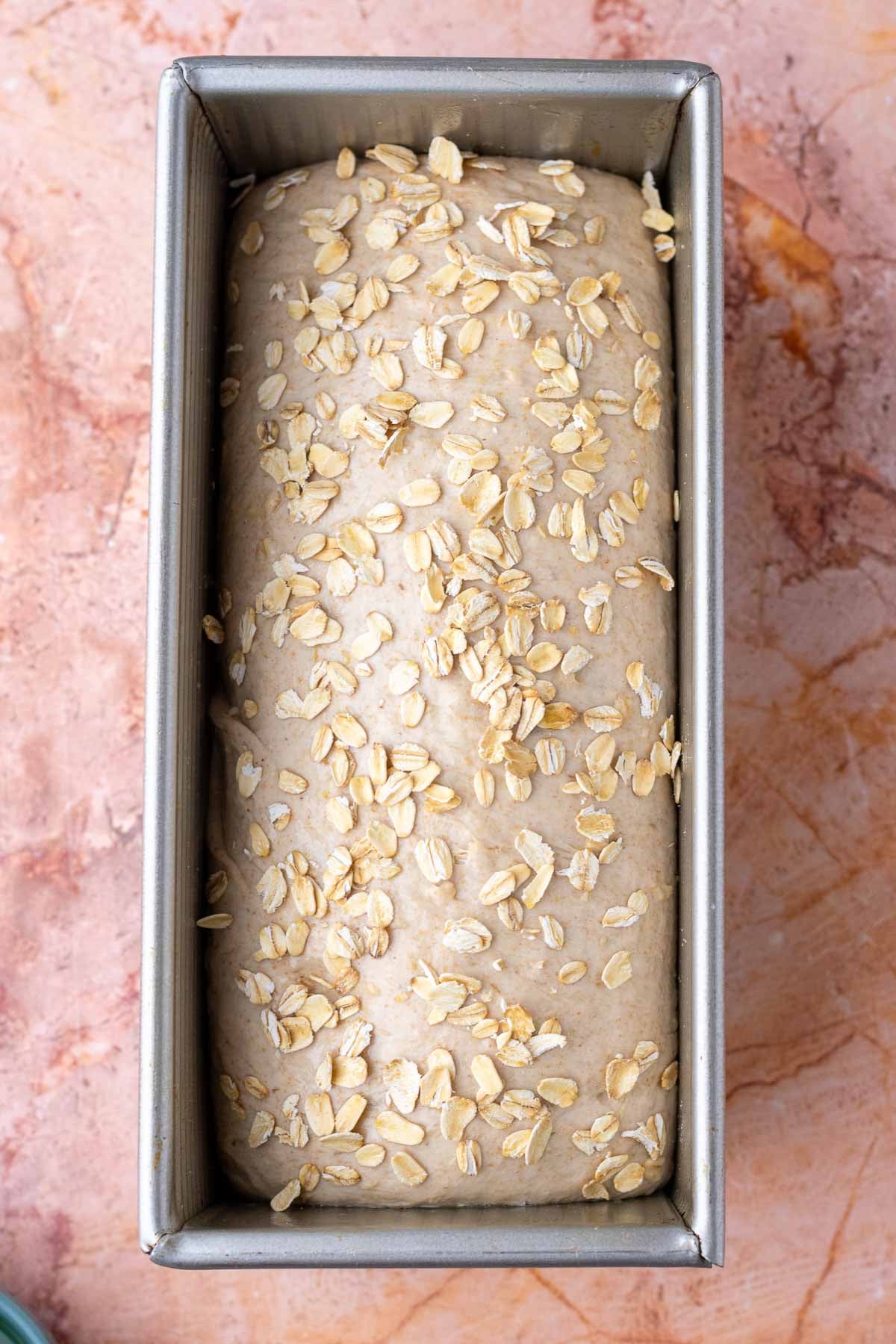
At the end of the final proof, the dough should almost double in size, be puffy, and feel full of air if you poke it with a floured finger.
7. Bake
Preheat the oven to 350ºF (177ºC).
Brush the top of the dough with egg white wash and sprinkle more rolled oats on top.
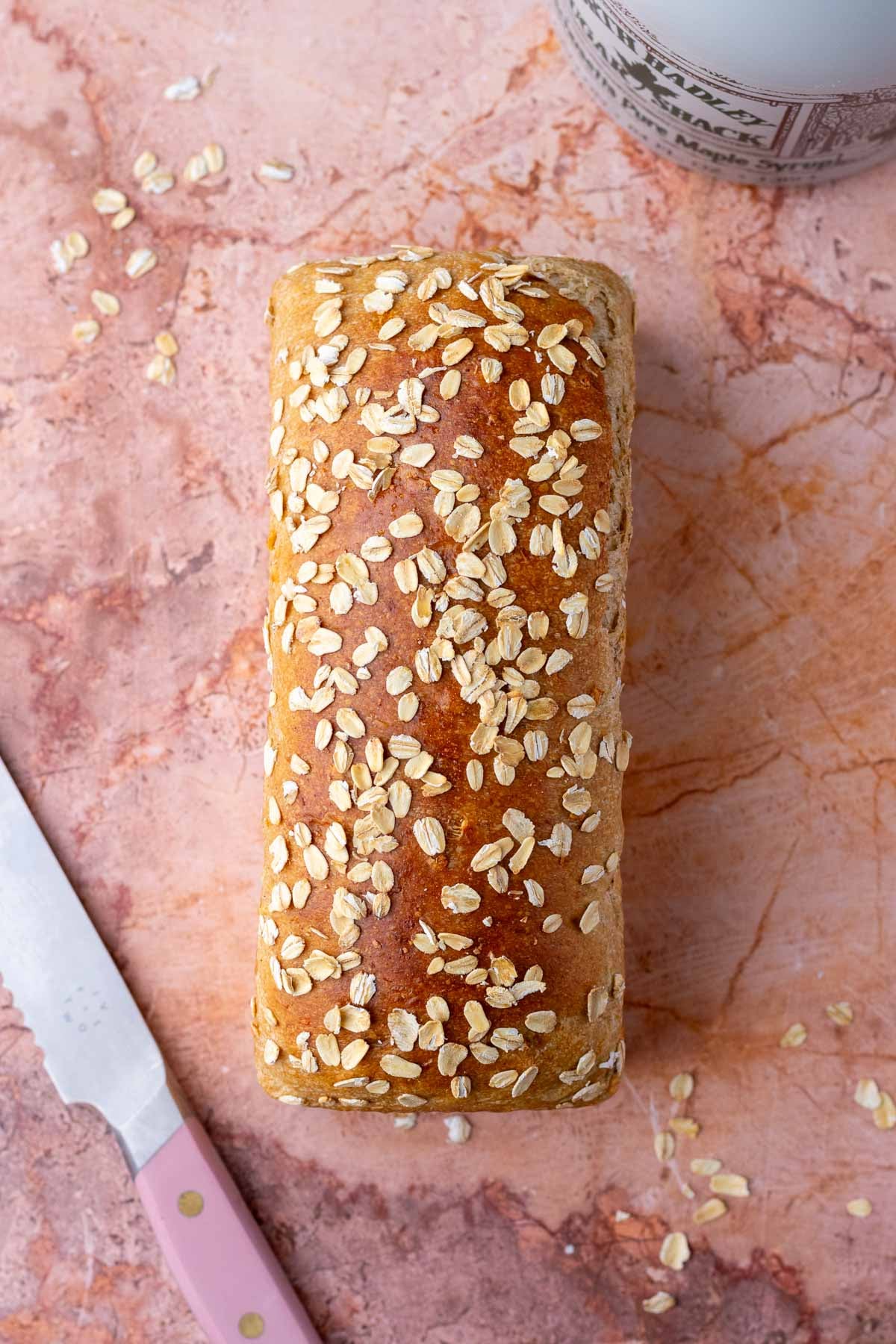
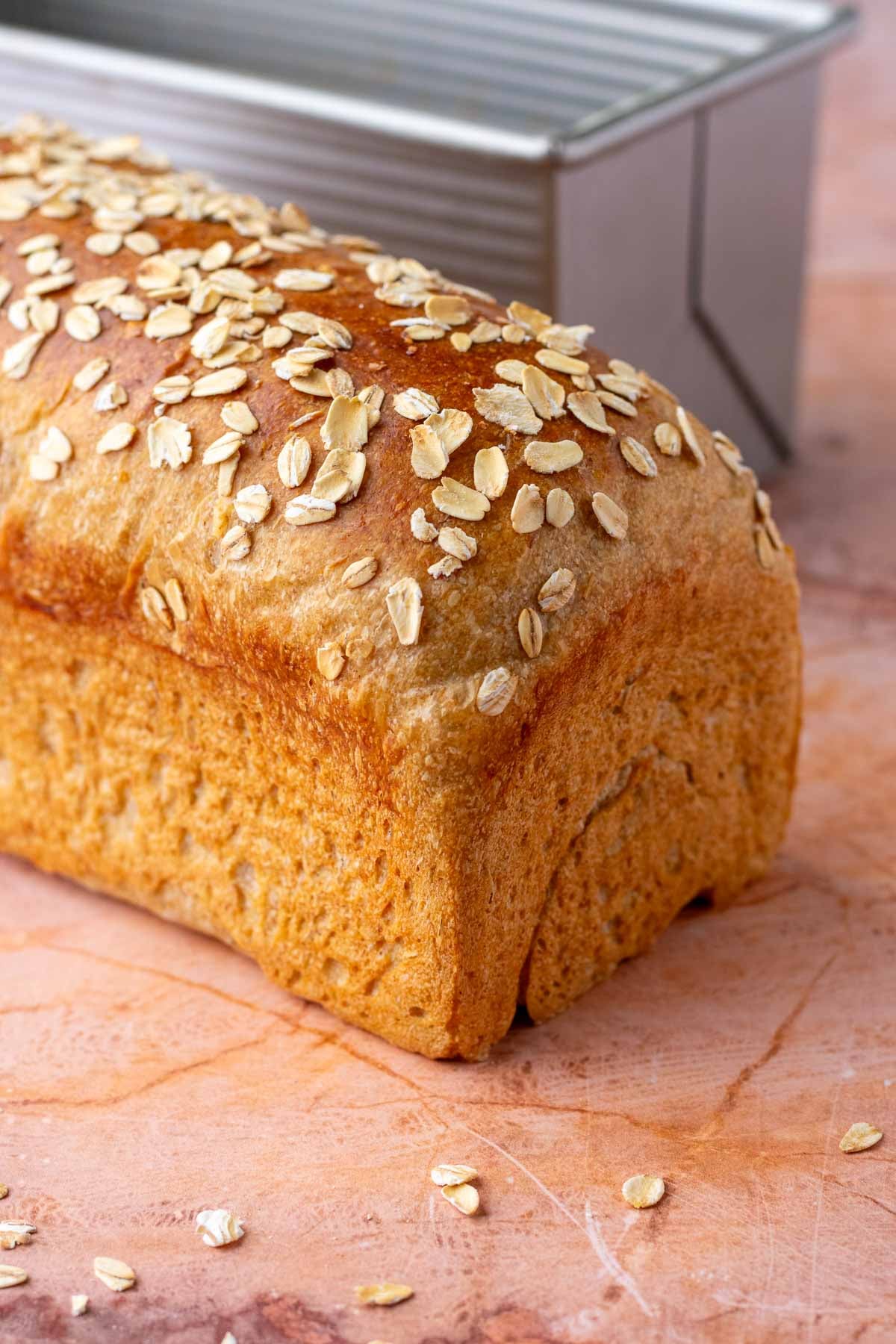
Bake the maple oat sourdough sandwich bread for 45-50 minutes or until the top pis shiny golden brown and an instant-read thermometer inserted in the middle reads at least 200ºF (93ºC).
Finally, cool in the loaf pan for 10 minutes, then carefully remove and cool completely on a wire rack before slicing.
How to Store & Serve
This maple oat sourdough bread keeps beautifully thanks to the oatmeal porridge.
Once fully cooled, store it in a bread bag or brown paper bag, wrapped in a clean towel, or in an airtight container at room temperature for up to 4-5 days.
For longer storage, slice the loaf and freeze it in a sealed bag for a few months. You can toast slices straight from frozen or let them thaw from the freezer at room temperature.
This is an everyday, versatile loaf that can be served at any time of day or with salads, soups, or stews.
Toast it at breakfast to bring out the maple notes and spread with butter, jam, or nut butter.
Use it for sandwiches—everything from simple PB&J to hearty breakfast sandwiches works well. It also makes excellent French toast , where the soft crumb and subtle sweetness really shine.
❓FAQs
Can I use all-purpose flour?
You can use all-purpose flour instead of bread flour, but note that you may need to mix more and possibly add more flour to strengthen the dough.
Why is my dough sticky?
This dough can be sticky at first due to its high hydration, depending on the flour you use and how warm your dough is. If it’s still very sticky after mixing for 15 minutes, add a TBS of flour at a time to your dough.
Can I use sourdough discard?
This recipe is written for active sourdough starter. If you do use sourdough discard, substitute the starter with sourdough discard and a teaspoon of instant yeast. Proofing times will be faster, but otherwise, follow the same recipe.
⭐️⭐️⭐️⭐️⭐️
Please leave a rating, comment or question below! Tag me on Instagram or Facebook @SourdoughBrandon or PIN this recipe on Pinterest to come back to it later!
Maple Oat Sourdough Sandwich Bread
Equipment
- 1 Stand Mixer, highly recommended
- USA Pullman Pan, Small, or 9×5" bread loaf pan
- 1 Pastry Brush, for egg wash
- 1 Brød and Taylor Folding Proofer, optional but helpful
Ingredients
- 60 grams Rolled Oats, plus more for topping
- 300 grams Boiling Water
- 55 grams Maple Syrup, 3 TBS
- 200 grams Bread Flour
- 120 grams Whole Wheat Flour, 1 cup
- 7 grams Kosher Salt
- 100 grams Sourdough Starter
- 42 grams Unsalted Butter, 3 TBS, softened
- 1 Egg White, for egg wash
Instructions
- Make the Oatmeal PorridgeStir rolled oats, maple syrup, and boiling water in a small heatproof bowl. Let cool to just warm or room temperature.60 grams Rolled Oats, 300 grams Boiling Water, 55 grams Maple Syrup
- Mix the DoughOnce the oatmeal has cooled, add it to the bowl of a stand mixer fitted with the dough hook attachment along with the flours, salt, and sourdough starter.Mix on low speed for a few minutes until the flour is hydrated and the dough is sticky.Slice the room-temperature butter into small cubles and while continuing to mix the dough on medium speed, add one cube of butter to the bowl at a time until each piece is fully incorporated into the dough.Continue to mix the dough for about 15 more minutes until the dough passes the windowpane test, slaps the sides of the bowl without sticking, and is smooth.This is a very sticky dough, but add a tablespoon of flour while mixing at a time if you've mixed for a while and it's still not coming together.200 grams Bread Flour, 120 grams Whole Wheat Flour, 7 grams Kosher Salt, 100 grams Sourdough Starter, 42 grams Unsalted Butter
- Bulk FermentationTransfer the dough to a greased bowl, cover, and place it in a warm location for bulk fermentation. At 78ºF, bulk fermentation takes about 5-6 hours (longer if cooler).Bulk fermentation is complete when the dough is doubled, domed in the bowl, and smooth.
- Overnight Proof (optional)Cover the bowl and place it into a refrigerator to proof overnight and up to 48 hours.
- ShapeLightly butter or grease a bread loaf pan.Punch down the cold dough and turn out onto a lightly floured surface. Use a lightly floured rolling pin to roll the dough into a rectangular slab about 8-9" wide and 13" long.From a shorter end, roll the dough up into a taut log.
- Final ProofPlace the shaped loaf into the prepared pan and cover with plastic wrap or a lid.At 78ºF, the final proof takes about 4-4 ½ hours. The bread is finished proofing when it's almost doubled in size and is puffy. If you poke the dough with a floured finger, it should leave a slight indentation and feel full of air.
- BakePreheat the oven to 350ºF (177ºC).Beat an egg white with a splash of water in a small bowl and brush the top of the loaf with egg wash. Sprinkle additional rolled oats on top.Bake for 45-50 minutes or until the top of the loaf is shiny golden brown and the internal temperature with an instant-read thermometer is at least 200ºF (93ºC). Tent with foil if the bread is browning too quickly.Cool for 10 minutes before carefully removing the sandwich bread from the pan. Let it cool completely on a wire rack before slicing.1 Egg White
Notes
- View the guide above for more detailed instructions, including photos of each recipe step, FAQs, storage, make-ahead options, and baking tips.
- Try to keep the dough at a constant, warm temperature (between 75-80ºF) as much as possible throughout fermentation. I use the Brød and Taylor bread proofer to keep my dough at a constant 78ºF. If your dough and environment are cooler, bulk fermentation will take longer. Conversely, in warmer conditions, the dough will ferment faster.







I will be making this recipe soon. But I will be kneading it by hand. I know it will take awhile but I believe it will be worth it!
I hope it turns out well for you!